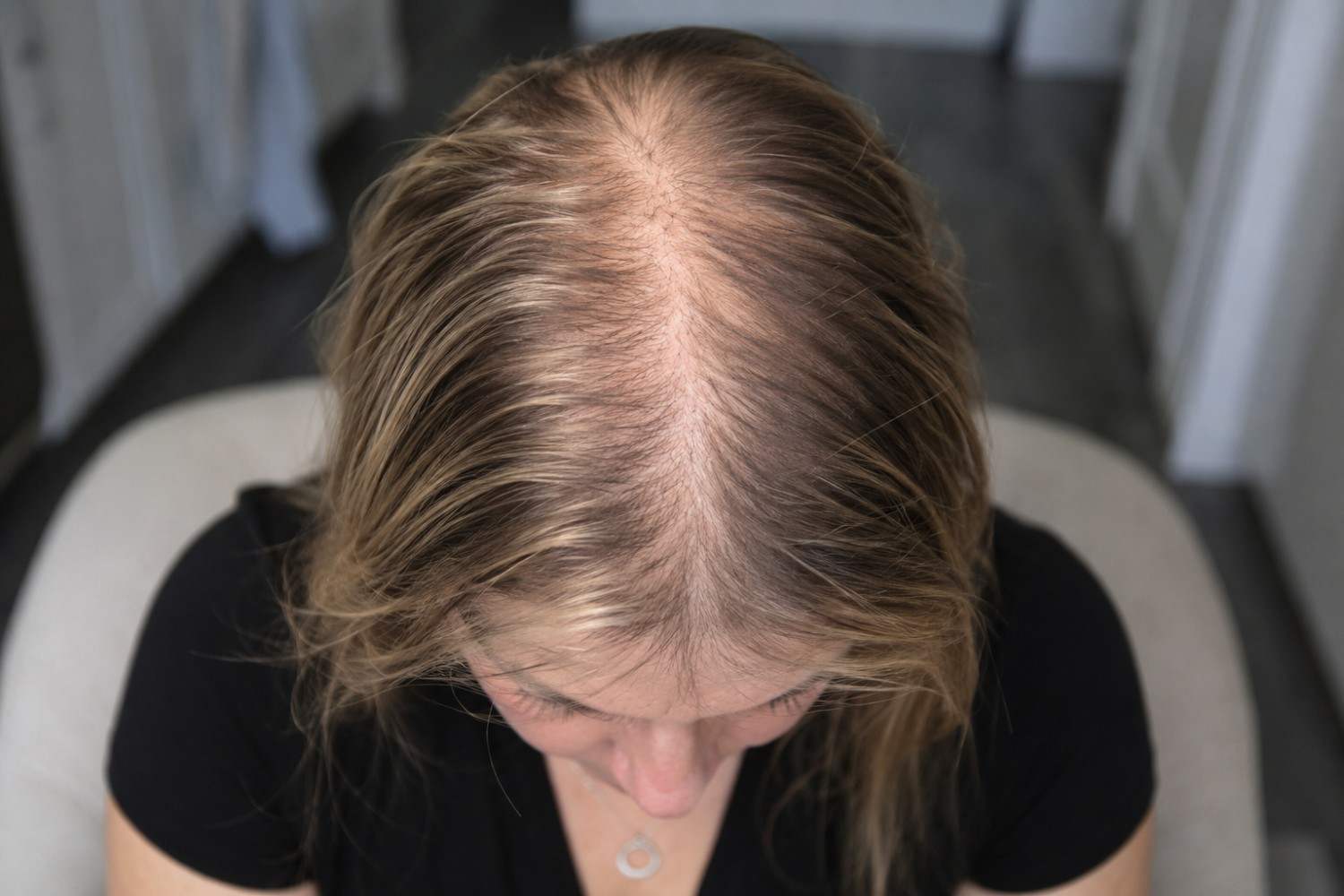
Female pattern hair loss treatment in Virginia may include Follicular Unit Extraction (FUE) and Follicular Unit Transplantation (FUT) at specialized regional centers. Since only some women may be suitable candidates for surgical restoration, clinics may also assess patients for medical therapies or platelet-rich plasma (PRP) alongside surgery.
Hair Transplant Virginia offers personalized hair restoration options based on each client’s needs and goals. Available services include FUE, FUT, PRP for hair loss, scalp micropigmentation (SMP), and hybrid procedures.
What Is Female Pattern Hair Loss?
Common Signs of Thinning
Female pattern hair loss can make the hair look thinner over time. A female pattern hair loss treatment may help based on the cause and amount of thinning. Some women first notice less volume when they brush, wash, or style their hair.
Widening Part
A widening part is a common sign of thinning hair. The line along the top of the scalp may slowly become wider. More of the scalp may also become easy to see as the hair gets thinner.
Reduced Hair Density
Hair density means how much hair grows in one area of the scalp. Some women may notice less hair around the top or crown. The hair can still grow, but it may look less full than before.
Diffuse Thinning
Diffuse thinning means hair becomes thinner across a larger part of the scalp. Hair loss in women can appear this way instead of leaving one clear bald spot. The change may happen slowly, so it can be hard to notice at first.
Female vs. Male Hair Loss
Women and men can have different patterns of hair loss. Women often keep the front hairline but notice thinning across the top of the scalp. Men may see a receding hairline, thinning at the crown, or clear bald areas.
What Causes Female Pattern Hair Loss?
Many things can cause or add to hair loss in women. Finding the possible cause can help a doctor choose a suitable female pattern hair loss treatment for each person.
- Genetics: Hair loss can run in families. Genes from either side of the family may raise the chance of thinning hair.
- Hormonal changes: Hormone changes can affect how hair grows. These changes may happen during pregnancy, menopause, or other stages of life.
- Age: Hair often becomes thinner as people get older. Hair may grow more slowly, and some strands may become finer over time.
- Medical conditions: Some health problems can cause hair to thin or fall out. A doctor can check for health issues that may affect hair growth.
- Nutrition: Hair needs key nutrients to grow well. Low levels of iron, protein, or some vitamins may play a role in hair shedding.
- Medications: Some medicines may cause hair loss as a side effect. Patients should talk with a doctor before stopping or changing any medicine.
- Stress and other triggers: High stress, illness, surgery, or major changes in the body can lead to more hair shedding. In some cases, the hair may start to grow again once the trigger improves.
What Are the Main Female Hair Restoration Options?
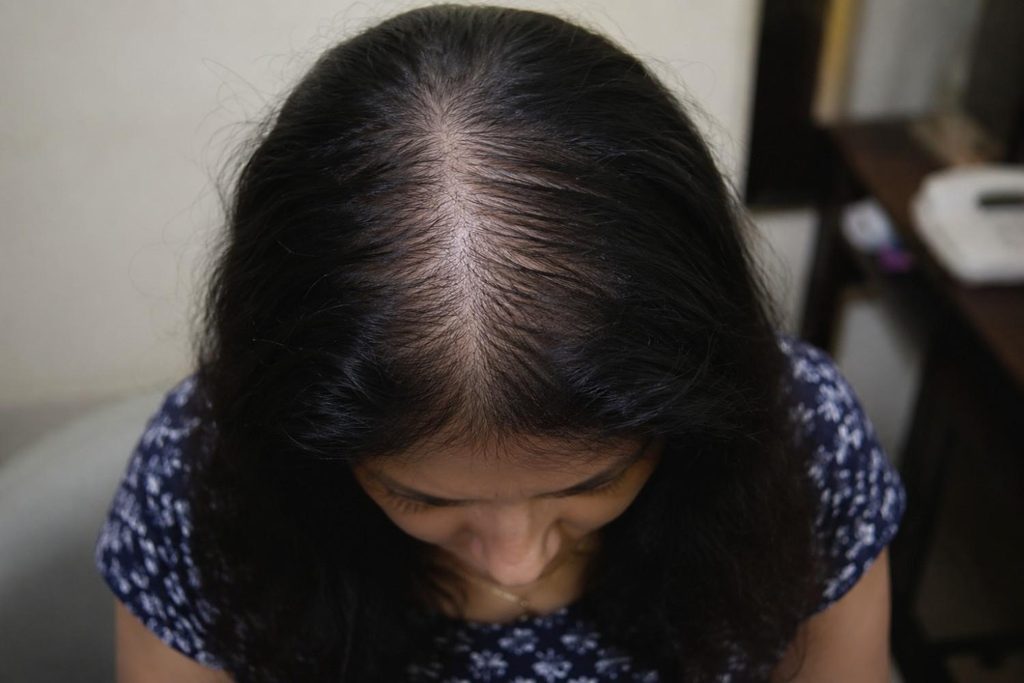
The main options include FUE, FUT, PRP, topical products, and medical care. The right female pattern hair loss treatment depends on the type of hair loss, donor hair, health, and personal goals.
Follicular Unit Extraction
FUE removes hair follicles one at a time from a donor area, often at the back or sides of the scalp. An FUE hair transplant in Virginia may suit women who have enough healthy donor hair. It does not leave one long, straight scar, but small marks can remain. Women with thinning across the whole scalp may have fewer strong donor areas.
Follicular Unit Transplantation
FUT removes a thin strip of skin with healthy hair from the donor area. A FUT hair transplant in Virginia may be an option when a woman needs many grafts and has a good donor area. The doctor then places the grafts in areas with less hair. FUT can leave a thin, straight scar where the strip was removed.
PRP Therapy
PRP uses a small amount of the patient’s own blood. Platelet-Rich Plasma (PRP) is prepared from that blood and placed into the scalp. This option may support existing hair and can be part of a wider female pattern hair loss treatment plan. Results can vary from person to person.
Topical Treatments
Some women may use products placed right on the scalp. Minoxidil (Rogaine) for Hair Loss is one topical option that may help support hair growth in some people. A doctor can help decide if it fits the type and cause of hair loss.
Medical Treatments
Some types of hair loss may need medical care instead of surgery. A doctor may check health history, medicines, hormones, or other possible causes first. This step helps match care to the reason for the hair loss.
Combination Approaches
Some women may benefit from more than one type of care. A plan might combine a procedure with PRP, topical care, or other medical treatment. The best mix depends on the cause of hair loss, the amount of thinning, and the condition of the donor hair.
Is FUE or FUT Better for Female Pattern Hair Loss?
FUE and FUT can both help some women restore thinning areas. The better choice depends on donor hair, hair length, scarring, and coverage goals. A doctor can check these factors before suggesting a female pattern hair loss treatment.
Extraction Method
FUE removes healthy hair follicles one at a time from the donor area. FUT removes a thin strip of skin that contains healthy follicles. The doctor then prepares and places the grafts in areas that need more hair.
Scarring
FUE leaves small, round marks across the donor area. FUT usually leaves one thin, straight scar where the strip was removed. Hair can often help cover these scars, but this depends on hair length and density.
Donor Hair
Both methods need enough healthy donor hair for the planned procedure. The doctor checks the amount, strength, and location of this hair. Women with thin hair across the whole scalp may have fewer suitable donor follicles.
Hair Length
Hair length can affect how easy it is to hide signs of the procedure. Longer hair may help cover the donor area during healing. The best approach can also depend on the patient’s usual hairstyle and treatment plan.
Recovery
Recovery can differ between FUE and FUT. FUE involves many small extraction points, while FUT involves a strip removal site. Patients should follow all care steps given by the medical team to support proper healing.
Coverage Goals
Some women want to add fullness to one small area, while others need wider coverage. The number of grafts needed can affect which method may work better. A doctor can plan graft placement based on the thinning pattern and available donor hair.
Who Is a Good Candidate for Female Hair Restoration?
A good candidate often has steady hair loss and enough healthy donor hair. A doctor should check the scalp and overall health before suggesting a female pattern hair loss treatment.
Stable Hair Loss
Stable hair loss means the thinning pattern has not changed much for some time. This can help a doctor plan where to place new hair. Active or fast hair loss may need more checks before a procedure.
Healthy Donor Area
A healthy donor area has enough strong hair follicles for a procedure. Doctors often check the back and sides of the scalp. Thin donor areas may limit how many healthy grafts can be used.
Pattern of Thinning
The location of thinning can affect treatment choices. Some women lose more hair along the part or top of the scalp. Others have thin hair across a wider area, which may make surgery less suitable.
Hair Density
Good hair density in the donor area can provide more follicles for treatment. A doctor checks how much hair is available and how strong it is. This helps set clear goals for possible coverage.
General Health
Good general health can support safe treatment and healing. A doctor may review health problems, current medicines, and past procedures. More tests may be needed if another health issue could cause hair loss.
Realistic Expectations
Hair restoration can improve the look of thinning areas, but results vary for each person. Patients should understand what the procedure can and cannot do. Clear goals can help patients make a more informed choice.
What Should Women Consider Before Choosing a Treatment?
Cause of Hair Loss
Women should first learn what may be causing their hair loss. Genes, hormones, health issues, stress, and other factors can affect hair growth. Knowing the cause can help a doctor choose a suitable female pattern hair loss treatment.
Donor Hair Quality
Healthy donor hair is important for surgical options. A doctor can check the strength, amount, and location of the available hair. Thin donor areas may limit how many grafts can be moved.
Type of Procedure
Different procedures work in different ways. FUE removes follicles one at a time, while FUT removes a thin strip with healthy hair. Women should learn how each option works before making a choice.
Scarring
FUE and FUT can leave different types of scars. FUE may leave small, round marks, while FUT can leave a thin, straight scar. Hair length and style may help cover these areas.
Recovery
Each procedure has its own healing process. Women should ask how long healing may take and what care they will need at home. Following care steps can help the scalp heal well.
Long-Term Hair Loss
Hair loss may continue in areas that were not treated. A good plan should consider how the hair may change over time. This can help protect the overall look as more thinning occurs.
Treatment Expectations
Women should have clear and realistic goals before treatment. Results can vary based on hair loss, donor hair, and other personal factors. A doctor can explain what may be possible for each patient.
Provider Experience
Women should ask about the provider’s training and experience with female hair restoration. They can also ask about the methods and tools used for treatment. Clear answers can help women make a more informed choice.
Ready to Explore Your Hair Restoration Options?
Hair Transplant Virginia can help you learn which female pattern hair loss treatment may fit your needs and goals. We offer several hair restoration options based on each client’s needs. Contact us to discuss your hair loss concerns and learn more about available treatment options.
FAQs
1. What are the main treatment options for female pattern hair loss?
Treatment may include FUE, FUT, PRP, topical products, or other medical care. The right choice depends on the cause of hair loss and the condition of the hair.
2. Can women with thinning hair have FUE?
Some women may be good candidates for FUE if they have enough healthy donor hair. A doctor should check the thinning pattern and donor area first.
3. What is the difference between FUE and FUT?
FUE removes hair follicles one at a time. FUT removes a thin strip of skin with healthy hair follicles. Each method has different scarring and recovery needs.
4. Can PRP help with female pattern hair loss?
PRP may help support existing hair in some women. Results can vary, so a doctor should first check the cause and type of hair loss.
5. How do I choose a female pattern hair loss treatment?
A suitable female pattern hair loss treatment depends on your hair loss cause, donor hair, health, and goals. A professional evaluation can help you understand which options may fit your needs.