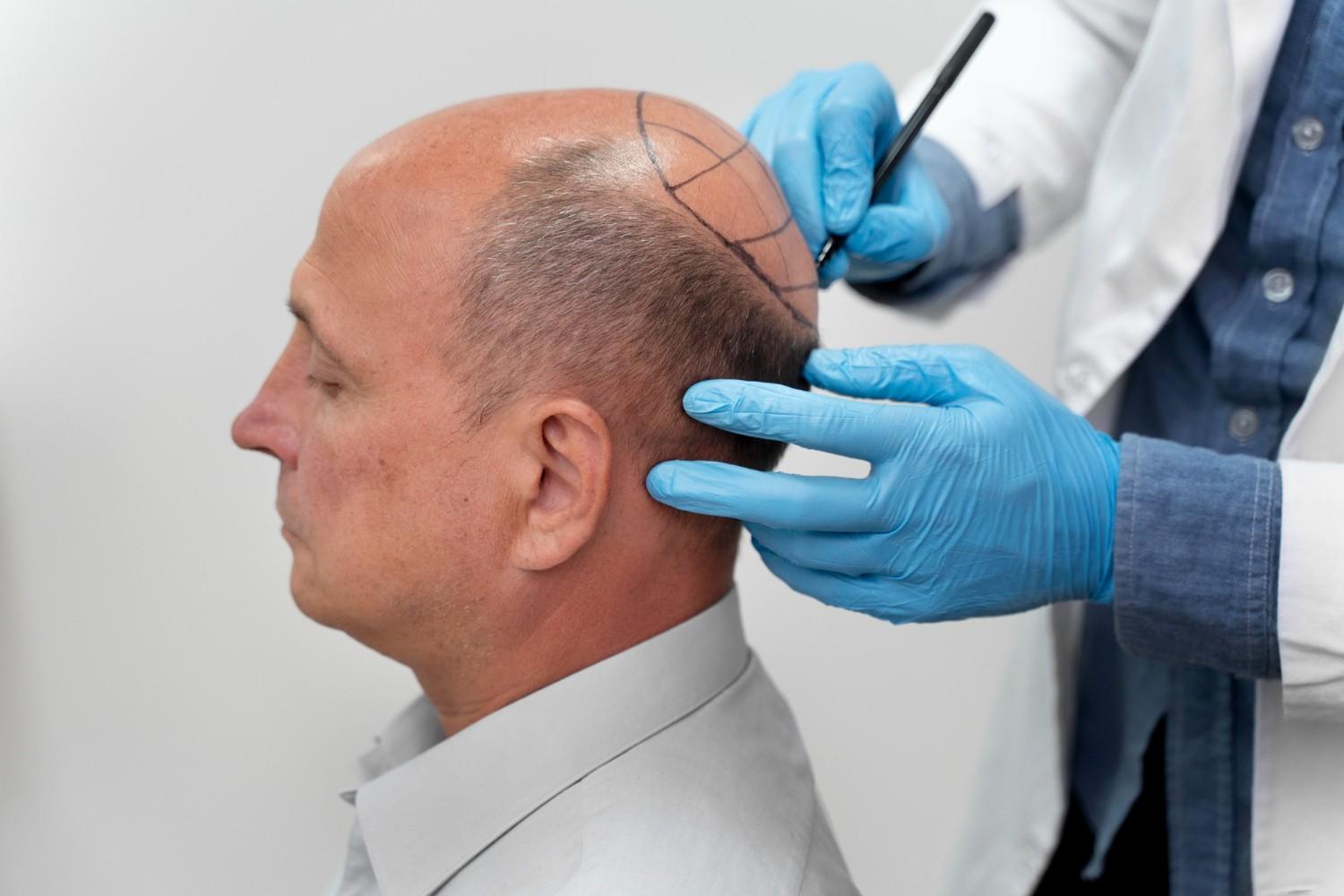
Hair transplant providers in Virginia offer treatments that help people manage hair loss safely and effectively. Many clients want clear guidance when choosing between different methods, and they also want results that look natural and healthy.
Hair Transplant Virginia supports clients through every step of this process. Our team explains how each method works and helps clients understand recovery, comfort, and expected results. With proper guidance, clients can make confident decisions that match their goals and lifestyle.
Understanding FUT and FUE Hair Transplant Techniques
Hair transplant providers in Virginia often guide clients through two popular methods. Both methods can restore hair and support natural growth over time. Many hair transplant providers for FUT and FUE options also help clients understand how each technique works and how it fits their goals.
What Is a FUT Hair Transplant?
A FUT hair transplant uses a small strip of skin from the back of the head. The strip contains healthy hair roots, ready for placement in thin areas. This method allows many grafts to be placed during a single session and can provide fuller coverage for some clients. Recovery can vary from person to person, and doctors usually offer clear steps to support healing. Many clients choose this method when they need more grafts in one visit.
What Is a FUE Hair Transplant?
A FUE hair transplant uses tiny tools to remove single hair roots from the scalp. The doctor places each root into thin or empty areas to support new growth. This method often leaves tiny marks that are hard to see with short hair. Clients may choose FUE if they prefer shorter hairstyles or want less visible marks after treatment. Recovery can be smooth with proper care, and doctors explain aftercare in simple steps.
How Techniques Differ and Who May Benefit
Both FUT and FUE can support natural results when performed by skilled doctors. The main differences involve how the hair roots are removed and how the scalp heals. Some clients need high graft counts, while others want fewer visible marks. Many hair transplant providers in Virginia explain these details during consultations and help clients choose based on hair type, lifestyle, and goals.
Why These Techniques Matter
Both methods offer long-term benefits for people with hair loss. They provide real growth from natural roots, and they help restore a fuller look. When guided by experienced providers, clients can learn which method works best for them and why.
Which Hair Transplant Providers in Virginia Offer Both FUT and FUE Options
Many hair transplant providers in Virginia now offer both FUT and FUE treatments. These clinics help clients compare methods and understand which option best matches their goals. Most hair transplant providers for FUT and FUE options also guide clients through recovery, comfort, and expected results.
Clear information helps clients feel confident before treatment and supports better long-term outcomes.
What to Look for in Qualified Providers
When choosing between hair transplant providers for FUT and FUE options, clients should look for key traits. These traits show professionalism, skill, and client care.
Important traits include:
- Experience: Clinics with many successful cases can guide clients with confidence.
- Tools and Technology: Modern systems can support better accuracy with less discomfort.
- Consultation Process: Good clinics explain the plan, the recovery, and the expected results.
- Medical Background: Skilled surgeons and clinicians have training and education that protect client safety.
Questions Clients Can Ask During Consultation:
- How many FUT and FUE cases have you performed?
- What tools and systems do you use in your clinic?
- Who will handle the key steps of my procedure?
- What should I expect during recovery?
- How do you decide which method fits a client?
These simple questions can help clients understand clinic quality and treatment standards.
Overview of Known Hair Transplant Providers in Virginia
Several hair transplant providers in Virginia offer both FUT and FUE procedures. One example is Hair Transplant Virginia, a clinic known for its complete hair restoration services and modern systems.
Core treatments at Hair Transplant Virginia include:
- FUT hair transplant
- FUE hair transplant
- SMP (Scalp Micropigmentation)
- PRP (Platelet-Rich Plasma)
Advanced technology used includes:
- ATERA FUE: Supports precision and faster extraction.
- WAW FUE: Matches natural follicle shape for smoother extraction.
- Ellis FUE: Helps automate graft handling for consistent results.
Client-focused benefits include:
- Client-centered approach: Staff communicates clearly and offers guidance.
- Limited procedures per day: Only one or two sessions to focus on client needs.
- MEGA sessions: Up to 4,000 grafts for bigger coverage in one visit.
- Financing options: Monthly plans and flexible payment choices.
- Board-certified clinicians: Skilled teams ensure safety and natural outcomes.
These features help clients compare FUT and FUE in simple terms and make informed decisions without pressure.
Why These Features Matter for Clients:
- More treatment choices
- Clear and honest guidance
- Better tools for better results
- Easier payment options
- Strong safety standards
- Natural-looking outcomes
With the right provider, clients can understand both techniques, review their options, and match a treatment to their hair needs and lifestyle.
How Providers Help You Choose Between FUT and FUE
Many hair transplant providers in Virginia offer both FUT and FUE treatments. These clinics guide clients through each step to help them choose the best method. Most hair transplant providers for FUT and FUE options explain how hair goals, donor density, style preferences, downtime, and medical history affect the final decision. This support helps clients understand each method in simple words and make choices that fit their lifestyle and hair needs.
Consultation and Assessment Steps
During the consultation, hair transplant providers in Virginia review essential details about each client. Doctors look at the hair loss pattern, the thickness of the donor area, and the overall condition of the scalp. They also ask about family history, past treatments, and long-term hair goals.
The provider may take photos, assess the donor hair’s strength, and explain how FUT and FUE work in clear language. This assessment helps the clinic decide if the client needs more grafts or less visible marks. It also allows the client to understand what results look realistic and how long recovery may take.
Factors That Influence the Best Choice
Some details affect whether FUT or FUE will work better for the client. Providers explain these points in a structured and straightforward way during consultation.
Key factors include:
- Hair loss pattern
- Donor density and hair thickness
- Recovery time needs
- Style and haircut preferences
- Work schedule and lifestyle
- Scarring preferences
- Medical history and past conditions
These details help the client compare the two methods and understand how they fit into daily life. For example, a client who prefers short hair may choose FUE for less visible scarring, while a client who needs many grafts may choose FUT for better coverage in a single session.
Start Your Hair Restoration Journey Today!
If you want clear guidance and trusted care, our team is ready to help you explore both FUT and FUE options. We explain each step in simple words, and we help you choose a method that fits your goals, lifestyle, and hair type. For personalized support and a detailed consultation, please get in touch with us and discuss your treatment plan with an experienced specialist.
FAQs
1. What is the difference between FUT and FUE hair transplant methods?
FUT removes a small strip of skin from the donor area, while FUE removes single hair roots. Both methods can support natural-looking results.
2. How do I know which method is right for me?
A consultation with a skilled provider helps you make your choice. The doctor reviews your goals, hair loss pattern, donor area, and lifestyle to guide the decision.
3. Do FUT and FUE require different recovery times?
Recovery can vary. FUE may allow a faster return to regular activity, while FUT may need a bit more time. Your provider explains this during the consultation.
4. Will the results look natural?
Yes. When performed by trained clinicians, both FUT and FUE can create natural results that blend with your existing hair.
5. Do providers offer financing for hair transplant procedures?
Many clinics offer financing and flexible payment plans. Some also provide promotions or low-interest options to make treatment more affordable.