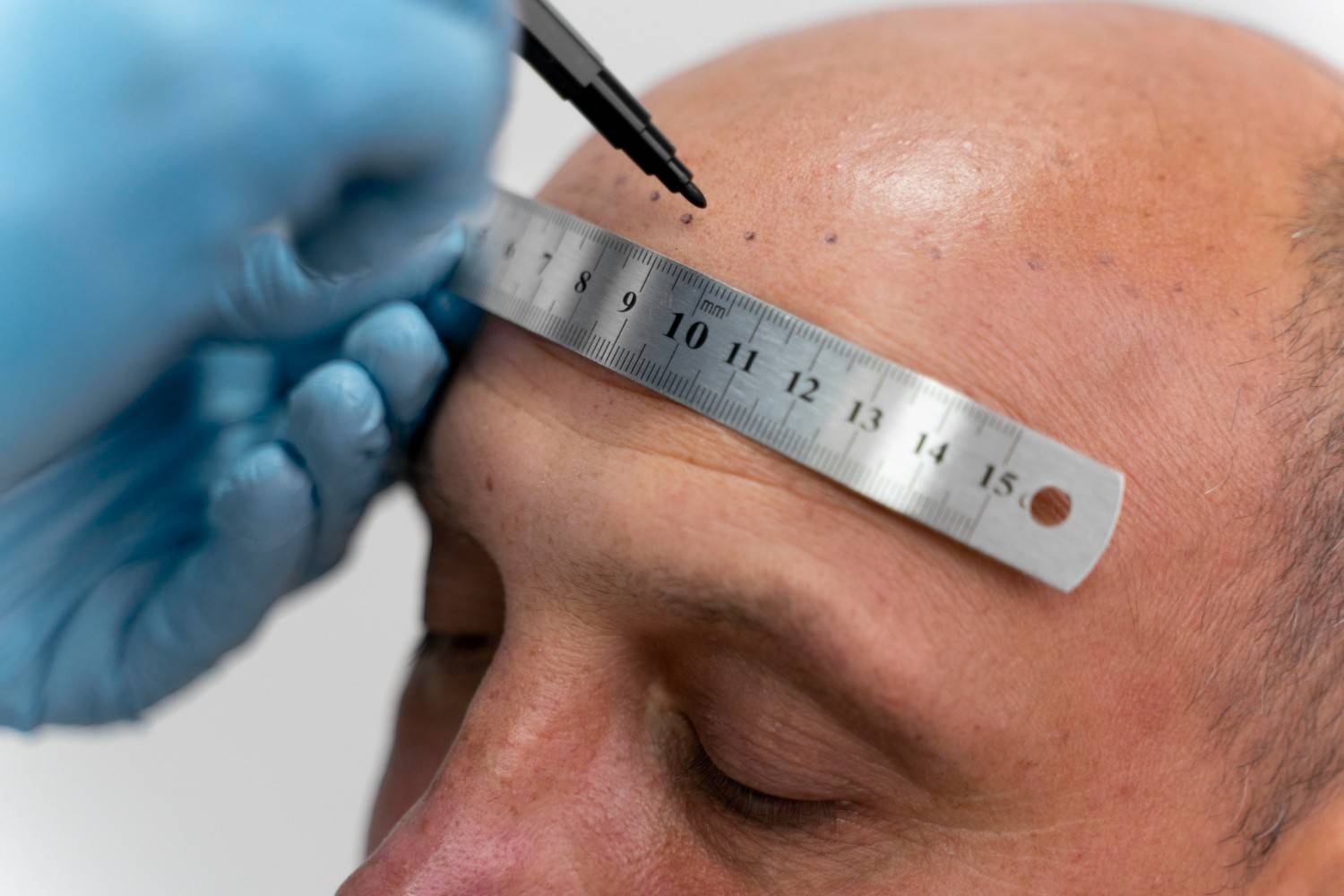
Patient outcomes after hair transplant in Virginia are strongest at leading clinics treating male pattern baldness, including established practices known for experienced, high-volume FUE and FUT procedures, as well as centers offering advanced robotic technology. Other reputable providers across Northern Virginia and coastal regions also deliver consistent, natural-looking results.
Hair Transplant Virginia provides personalized treatment plans for men experiencing pattern hair loss. The clinic focuses on advanced techniques, careful graft placement, and natural density. Patients receive detailed consultations, clear expectations, and ongoing support throughout every stage of their restoration journey.
Understanding Hair Transplant Success Rates
What Does “Success Rate” Mean?
A success rate in hair restoration means how well the new hair grows and how natural it looks. Doctors check if the hair grows thick, blends with your old hair, and makes you feel happy with the result. Strong patient outcomes after hair transplant in Virginia often show full growth, a soft hairline, and high patient satisfaction.
What Affects Success?
Several things affect success, such as the method used, the skill of the surgeon, and your hair type. A trained surgeon places each graft with care, which helps hair grow strong. Also, healthy scalp skin and good donor hair give better results.
How Long Does It Take To See Results?
Hair growth takes time, so you need patience. Most people see some shedding in the first few weeks, which is normal. New hair often starts to grow after three to four months, and full results usually show in about one year.
Common Hair Transplant Techniques Used In Virginia
When people compare options for hair transplant in Virginia, they often learn about two main methods doctors use today.
Gentle Single Hair Removal Method
This method takes out one hair group at a time from the back of your head. Doctors call this Follicular Unit Extraction (FUE), and many people like it because it leaves tiny marks that are hard to see. It helps hair look soft and natural. Also, healing is often quick. Some clinics use robotic tools like ARTAS, which help doctors pick and move hairs with high care and steady hands.
- Small scars: Tiny dots that fade over time.
- Natural look: Hair grows in the same way it did before.
- Faster healing: Most people return to normal life soon.
- Robotic help: Smart tools guide careful hair removal.
Strip Removal Method
This method removes a thin strip of skin from the back of the head. Doctors then divide it into small hair groups called Follicular Unit Transplantation (FUT) before placing them in thin areas. It can move many hairs at once, so it works well for people who need more coverage. The doctor closes the area with stitches, and hair later hides the thin line scar.
- More grafts at once: Good for larger bald spots.
- Strong hair supply: Uses thick donor hair from the back.
- Good for advanced loss: Helps when hair loss is heavy.
What To Look For In A High-Success Hair Transplant Clinic In Virginia
Skilled And Certified Surgeons
You should choose a clinic with a trained and board-certified doctor. A skilled doctor knows how to place each hair with care and skill. For example, Dr. Leslie Pickens brings many years of medical experience, which helps support strong patient outcomes after hair transplant in Virginia.
Modern Tools And Smart Technology
A good clinic uses advanced tools to improve results. Many centers offer updated FUE methods and even robotic systems that help place hairs with steady control. As a result, these tools can improve patient outcomes after hair transplant in Virginia and help hair look more natural.
Detailed Consultation And Personal Plan
A strong clinic will meet with you first and study your hair loss. The doctor checks your scalp, listens to your goals, and builds a plan just for you. This step helps set clear goals and gives you a treatment that fits your needs.
Real Results And Ongoing Care
You should look for real before-and-after photos and honest reviews. A trusted clinic also gives follow-up visits to check healing and growth. Clear support after surgery helps you feel safe and confident during recovery.
Clear And Honest Communication
The clinic should explain what will happen before, during, and after the procedure. Doctors must talk about healing time, hair shedding, and when new growth starts. When you understand each step, you feel calm and ready for the journey.
Advanced Technology And Techniques That Drive Better Outcomes
Smart Tools That Remove Hair Safely
Clinics use tools like the WAW FUE System, ATERA FUE, and the Ellis FUE System to take hair out with great care. These tools help doctors remove healthy hair roots without hurting them. The device guides the doctor so each move is steady and exact. Because of this, patient outcomes after hair transplant in Virginia can be better since the hair roots stay strong.
Careful Hair Placement For Thick Results
Doctors place each tiny hair group in the right spot. They match the angle and direction so the new hair looks real. This step helps the hair blend with your old hair. Also, good spacing makes the hair look full and even.
Tools That Help Prevent Mistakes
Modern machines help doctors work slowly and carefully. The tools lower the chance of small mistakes. When doctors protect each hair root, more hairs grow well. In the end, this helps you see fuller and longer-lasting hair.
Typical Hair Transplant Journey For Male Pattern Baldness
Step 1: First Visit And Hair Check
Your journey starts with a simple visit to the doctor. The doctor looks at your scalp and checks your hair loss. Many people come in because of male pattern baldness, which is common in men. The doctor explains if you are a good fit for the procedure and answers your questions.
- Scalp exam: The doctor checks your hair and skin.
- Health review: The doctor asks about your medical history.
- Personal plan: You get a plan made just for you.
Step 2: Procedure Day
On the day of the procedure, the doctor makes your scalp numb so you do not feel pain. The doctor removes healthy hair roots and places them in thin areas. The team works with care and focus during each step. Good technique on this day helps support strong patient outcomes after hair transplant in Virginia.
- Numbing medicine: Keeps you comfortable.
- Hair removal: Healthy roots are taken from the back.
- Hair placement: Roots are placed where hair is thin.
Step 3: Healing And Recovery
After the procedure, your scalp needs time to heal. You may see small scabs and some redness, but this is normal. The clinic gives clear care steps to follow at home. Most people return to normal routines within a few days.
- Mild swelling: Often goes away in a short time.
- Care steps: You wash and protect your scalp as told.
- Follow-up visit: The doctor checks your healing.
Step 4: New Hair Growth
Hair growth takes patience and time. Some hair may shed in the first few weeks, and this is normal. New hair often starts to grow after three to four months. Most people see fuller results in about one year.
- Early shedding: Part of the normal process.
- New growth: Starts in a few months.
- Full results: Usually seen around 12 months.
Ready To Restore Your Hair?
Take the first step toward stronger, fuller hair today. Learn more about patient outcomes after hair transplant in Virginia with a trusted team. Call Virginia Hair Transplant Center at (571) 290-2051 to schedule your consultation.
FAQs
1. Is a hair transplant permanent?
Yes, in most cases, a hair transplant is permanent. The doctor moves healthy hair roots that continue to grow in their new place over time.
2. Does a hair transplant hurt?
During the procedure, doctors use numbing medicine to keep you comfortable. Afterward, you may feel mild soreness, but most people manage it with ease.
3. How long does the procedure take?
Usually, the procedure takes several hours in one day. However, the exact time depends on how many grafts you need.
4. When will I see new hair growth?
At first, some shedding may happen, and this is normal. Then, new hair often begins to grow after three to four months, while fuller results show around one year.
5. Am I a good candidate for a hair transplant?
Generally, you may be a good candidate if you have healthy donor hair at the back of your head. Therefore, a consultation helps the doctor decide what is best for you.