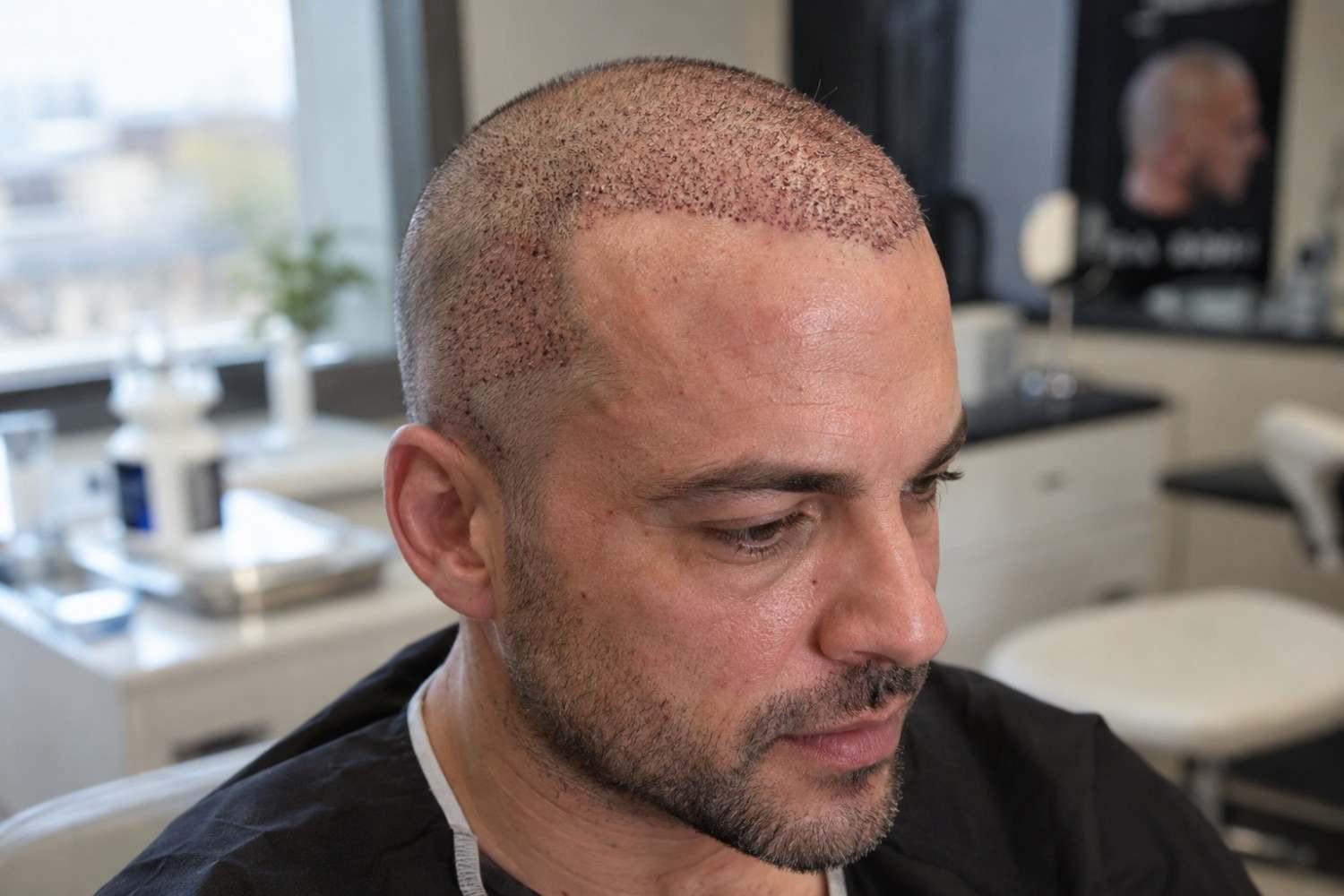
In most cases, a realistic hair density per session ranges from 35 to 50 grafts per square centimeter. This amount may restore about 40% to 60% of natural hair density.
Hair Transplant Virginia creates a personal plan based on the treatment area, donor supply, hair thickness, texture, and possible future hair loss. Density needs may differ across the hairline, mid-scalp, and crown. Careful spacing can protect blood flow and support healthy growth. A scalp assessment helps set safe goals and gives each patient a clearer idea of the coverage one session may provide.
What Is a Realistic Hair Density per Session?
Understanding Hair Density
Hair density means the number of grafts placed in one part of the scalp. One graft may hold one or more hairs. Providers count these grafts to plan safe and even coverage.
Measuring Grafts per Square Centimeter
Providers measure density by counting grafts in each square centimeter of the scalp. A realistic hair density per session may range from 35 to 50 grafts per square centimeter.
Expected Natural Density
One session may restore about 40% to 60% of natural hair density. This amount can still make the hair look much fuller. Hair thickness and texture can also affect the final look.
Safe Graft Placement
More grafts do not always give a better or safer result. Placing too many grafts close together may reduce blood flow. Safe spacing can help the scalp heal and support new growth.
Differences in Visual Fullness
Measured density and visual fullness are not always the same. Thick, curly, or dark hair may cover more scalp. Fine or straight hair may show more skin. Each plan must fit the patient’s hair, scalp, donor supply, and goals.
How Does Density Differ Across the Scalp?
Hairline
The hairline may need 35 to 50 grafts per square centimeter. A realistic hair density per session depends on safe spacing and the available donor hair. Providers place each graft at a careful angle. This helps the new hair follow a natural direction and frame the face.
Mid-Scalp
The mid-scalp may need 30 to 40 grafts per square centimeter. The expected graft density per session must help this area blend with nearby hair. Even placement can reduce clear gaps and create balanced coverage. Providers also plan around any hair that still grows in this area.
Crown
The crown may need 20 to 35 grafts per square centimeter. This area often covers more space and has a round growth pattern. Providers must follow this pattern when placing each graft. The crown may need many grafts, so the plan must balance coverage with the available donor supply.
| Scalp Area | Possible Density Range | Main Goal |
| Hairline | 35–50 grafts/cm² | Natural framing |
| Mid-scalp | 30–40 grafts/cm² | Balanced coverage |
| Crown | 20–35 grafts/cm² | Improved visual fullness |
These numbers are general ranges, not fixed promises. The final plan depends on the scalp, hair type, donor supply, treatment area, and personal goals.
Why Can One Session Not Match Natural Density?
Limited Donor Supply
A natural scalp may have about 80 to 100 follicular units per square centimeter. The donor area cannot always provide enough grafts to match this amount. The provider must spread the available grafts with care. A realistic hair density per session should protect the donor area while covering the thin spots.
Healthy Blood Supply
Each new graft needs blood to grow and stay healthy. Placing too many grafts close together may reduce blood flow. This can harm the scalp and lower the chance that grafts will grow. The expected graft density per session must leave enough room for healthy blood flow.
Safe Tissue Spacing
Good spacing helps protect the skin between each graft. It can also lower stress on the scalp and support smooth healing. Providers must plan each small opening with care. Safe spacing may also reduce the risk of harming nearby hair.
Visual Fullness
Lower measured density can still make the hair look full. Thick or curly hair often covers more scalp than fine or straight hair. A low color difference between the hair and skin may also hide more scalp. Hair length and styling can improve the look of coverage as well.
What Factors Affect the Final Density?
Many details can affect how full the hair may look. A provider must study the hair, scalp, and treatment area before creating a plan.
- Available donor hair: The donor area has a limited number of healthy grafts. A realistic hair density per session must match the grafts that the provider can safely collect.
- Hair thickness: Thick hair can cover more scalp than fine hair. Fewer thick strands may create the look of greater fullness.
- Hair curl and texture: Curly or wavy hair often covers more space. Straight hair may lie flat and show more of the scalp.
- Hair and skin color: Similar hair and skin colors can make the scalp less clear. A strong color difference may make thin spots easier to see.
- Size of the treatment area: A large area needs more grafts for even coverage. The provider may need to spread the available grafts across the scalp.
- Existing hair: Hair that still grows can support fuller coverage. Common hair loss causes may weaken this hair, so the provider must place new grafts with care.
- Scalp health: Scars, poor blood flow, or skin problems may change the treatment plan. A healthy scalp can support healing and new growth.
- Future hair loss: Male pattern baldness can cause untreated hair to become thinner over time. The provider must plan for possible changes to keep the result balanced.
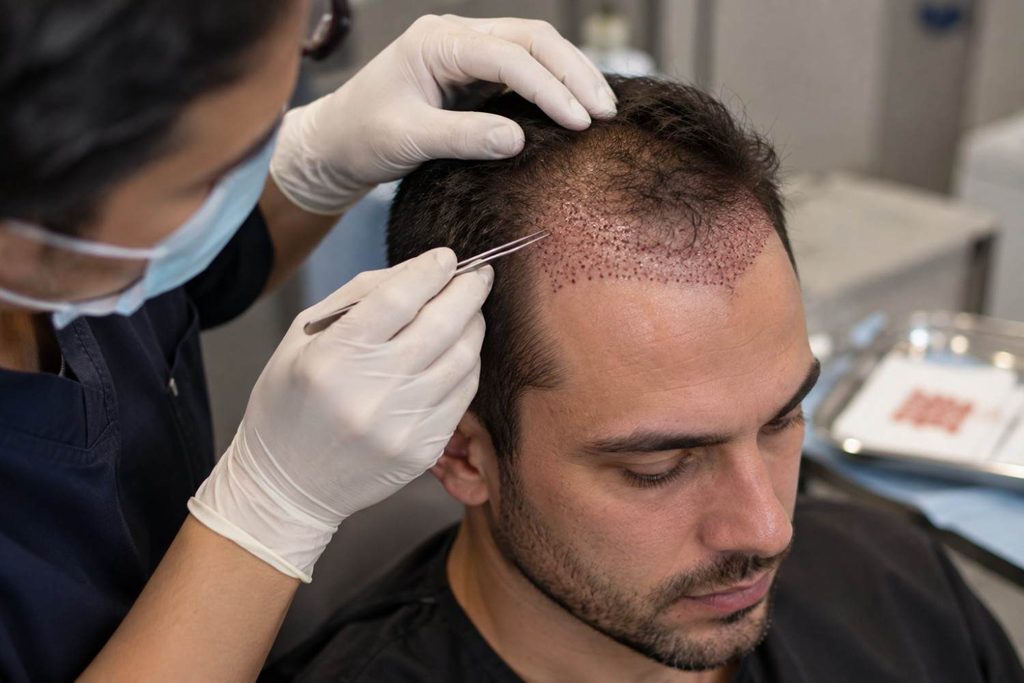
Is Higher Graft Density Always Better?
Healthy Blood Flow
Each graft needs blood to grow. Placing too many grafts close together can limit blood flow. This may harm the scalp and lower the chance of healthy growth. A realistic hair density per session should leave enough space around each graft.
Safe Graft Placement
Crowded grafts may not have enough room to heal. Some grafts may fail to grow as a result. Dense placement can also harm hair that still grows in the area. Careful spacing helps protect both new and existing hair.
Limited Donor Hair
The donor area can only provide a set number of healthy grafts. Using too many grafts in one session may leave fewer grafts for future care. The provider must save enough donor hair in case more hair loss occurs.
Natural Hair Direction
High graft numbers do not always create a natural look. Providers must place each graft at the right angle and direction. Good spacing also helps the new hair blend with nearby hair.
Safe and Natural Coverage
The goal should be safe coverage and a natural look. It should not be the highest possible graft number. A careful plan protects the scalp, donor supply, and future treatment choices.
How Can Providers Create the Look of Greater Fullness?
Strategic Hairline Design
Providers shape the hairline to fit the face. They use small spaces and slight changes in graft placement. A realistic hair density per session can create a soft hairline without making it look too straight or even.
Correct Graft Angles
Hair grows in set directions across the scalp. Providers place each graft at an angle that follows this natural path. An FUE hair transplant in Virginia can use single grafts to support careful placement. The right angle may also help each strand cover more scalp.
Careful Graft Distribution
Providers may place more grafts in clear and visible areas. They can use fewer grafts in areas that need less coverage. This plan can improve the look of fullness while protecting the donor supply for future needs.
Using Hair Characteristics
Thick strands often cover more scalp than fine strands. Curly or wavy hair can also create more visual coverage. Hair color matters because a small color gap between the hair and skin may hide the scalp better.
Blending With Existing Hair
Providers place new grafts between or near existing hairs with care. They match the angle, direction, and spacing of nearby strands. This method can create a smooth change from thicker areas to thinner areas. It can also help the final result look more natural.
How Many Grafts May Be Needed?
Small Hairline Area
A small hairline area may need fewer grafts than a wide area. The provider checks the hairline shape, width, and current hair. A realistic hair density per session must also match the available donor supply.
Front and Mid-Scalp
The front and mid-scalp may cover a larger space. The provider reviews the area size, hair thickness, and donor hair. The expected graft density per session should create even coverage without placing the grafts too close together.
Crown Coverage
The crown has a round growth pattern and may cover a wide area. Its size and future hair loss can affect graft needs. A provider must follow the natural direction of hair growth when placing grafts in this area.
Larger Thinning Area
A larger thinning area may need careful graft planning. An FUT hair transplant in Virginia may provide many grafts when the method fits the patient’s needs. The provider must still protect the donor area and plan for possible future hair loss.
| Treatment Need | Factors to Review |
| Small hairline area | Hairline shape, width, and existing density |
| Front and mid-scalp | Area size, hair thickness, and donor supply |
| Crown coverage | Crown pattern, surface area, and future loss |
| Larger thinning area | Coverage goals and available donor grafts |
These factors provide general guidance, not a fixed graft number. An in-person scalp assessment can help the provider review the donor area, thinning pattern, hair type, and coverage goals.
Why Is a Personal Density Assessment Important?
A Plan Based on Your Needs
Online ranges only give a general idea of possible density. A realistic hair density per session depends on your hair, scalp, and goals. A full assessment helps the provider create a safe plan for you.
Details the Provider May Review
A provider may check:
- Donor hair supply
- Hair thickness and texture
- Current hair loss pattern
- Scalp health
- Treatment area size
- Possible future hair loss
- Personal coverage goals
- Medical history
These details help the provider plan safe graft placement and natural coverage.
Ways to Discuss Your Goals
Virtual consults can help you share your concerns and learn about possible options. An in-person visit may still be needed. The provider must study your scalp and donor hair before making a full plan.
Support From an Experienced Provider
Dr. Leslie Pickens can review your hair loss pattern, scalp health, and donor supply. This check can help set clear and safe goals. No provider should promise an exact result before completing a full assessment.
Learning About Our Care
You can visit our why choose us? page to learn about our services, tools, and approach to patient care. This information can help you prepare questions before your assessment.
Want to Learn What Density May Be Right for You?
Hair Transplant Virginia can help you understand what may suit your hair, scalp, and coverage goals. A personal assessment lets our provider check your donor supply, hair type, loss pattern, and treatment area.
This information helps us plan a safe and realistic hair density per session without making fixed promises. Each person has different needs, so results and graft numbers can vary. Contact us to schedule an assessment and learn which options may support a natural-looking result.
FAQs
How much density can one session provide?
One session may place about 35 to 50 grafts per square centimeter. The actual number can change across the scalp. The hairline may need more grafts than the crown. Donor supply, hair type, scalp health, and personal goals also affect the plan. A provider must assess these details before suggesting a safe density.
Can one session restore full natural density?
One procedure can improve coverage and make thinning areas look fuller. However, it usually cannot safely recreate full natural density. Placing too many grafts close together may limit blood flow and affect growth. The provider must balance safe spacing, donor supply, scalp health, and the need for possible future care.
Does thicker hair create better coverage?
Thicker strands often cover more scalp than fine strands. This can make the result look fuller, even with the same number of grafts. Hair curl, texture, color, and growth direction also affect coverage. For example, curly hair may cover more space, while a low color difference may make the scalp less clear.
Is the crown harder to cover?
The crown can be harder to cover because it often has a wide surface area. Hair also grows in a round pattern in this area. Providers must follow this natural pattern when placing grafts. The crown may need many grafts, so the plan must balance visual coverage with the available donor supply.
When can I judge my final density?
New growth may begin within a few months, but it takes time to develop. Hair may keep growing and becoming thicker for 12 to 18 months. The exact timeline can differ for each patient. Healing, hair growth speed, treatment area, and aftercare can all affect when the final density becomes clear.